ERP Definition
Enterprise Resource Planning (ERP) is business software that brings a company's core operations, such as finance, purchasing, inventory, production, and sales, into one shared system. Instead of each department keeping separate records, every team works from the same data. For example, when a sale is recorded, the warehouse's stock levels and finance's revenue figures update at the same time.
What does an ERP system manage?
An ERP system is divided into modules, each covering one area of the business:
- Finance and accounting: invoices, payments, and financial reports
- Purchasing: suppliers, purchase orders, and incoming goods
- Inventory: stock levels, storage locations, and stock movements
- Sales and orders: quotes, customer orders, deliveries, and pricing
- Production: bills of materials, production planning, and work orders, mainly in manufacturing
These processes depend on master data, such as customer, supplier, product, and material records, so most ERP systems store and maintain this data as well.
How does ERP work with other systems?
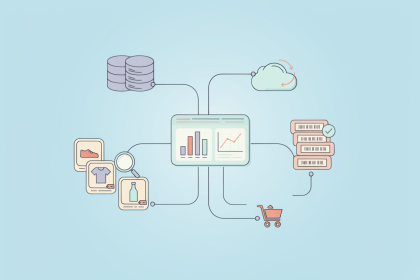
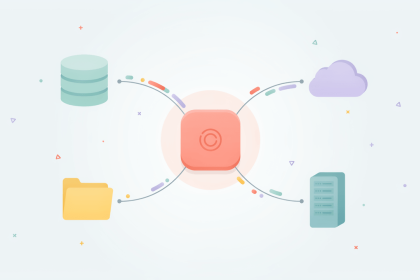
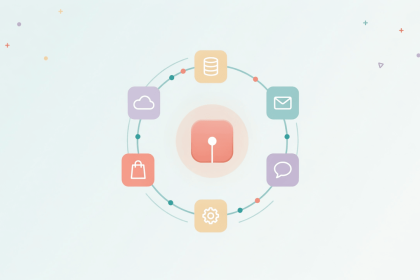
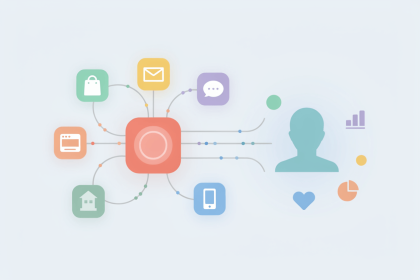
An ERP system rarely works alone. Companies usually connect it to other software, such as an online store, a customer relationship management (CRM) system, or a warehouse management system, so the same data doesn't have to be entered twice.
A common example is connecting an ERP system to an ecommerce platform. The ERP sends prices and stock levels to the online store, and the store sends new orders and customer details back to the ERP.
How is ERP different from PIM?
An ERP system holds the operational data needed to buy, make, and sell a product, such as its item number, cost, price, and stock level. It isn't designed to manage marketing content like long descriptions, images, translations, or the different attributes each sales channel requires. That is the role of Product Information Management (PIM).
In a typical setup, the ERP provides basic product records, prices, and stock. The PIM adds marketing content and publishes the complete product information to each sales channel.