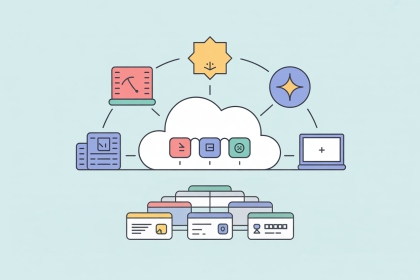
Product Experience Management Definition
Product Experience Management (PXM) is the practice of managing product information so that every shopper sees accurate, complete, and relevant product content wherever they encounter it. It builds on the raw product data an organization already holds and focuses on shaping that data into the right presentation for each channel, audience, and market, from a company's own online store to marketplaces, mobile apps, and print.
How is PXM different from PIM?
The two are closely related and often work together. A Product Information Management (PIM) system is concerned with collecting, storing, and maintaining correct product data in one place. PXM starts from that trusted data and concentrates on the experience it creates: tailoring descriptions, images, and specifications to fit each channel's format and each audience's expectations. In short, PIM makes sure the data is right, while PXM makes sure the resulting product presentation is compelling and consistent everywhere a customer sees it.
What does a PXM approach involve?
Rather than publishing the same product content everywhere, PXM adapts it for context. This typically means adjusting content for the requirements of each sales channel, translating and localizing it for different markets, and enriching listings with the details shoppers in a given category care about most. It also involves reviewing how products actually appear once published, checking that titles, imagery, and attributes meet each channel's standards on the Digital Shelf, and refining them over time based on what performs well.
Why does it matter?
Online shoppers cannot handle a product before buying, so the content around it does the selling. When that content is thin, inconsistent, or poorly suited to a channel, shoppers hesitate, abandon carts, or return items that did not match expectations. PXM matters because it treats product content as something to be actively managed for each context rather than published once and forgotten, helping a business present products clearly and consistently across a growing number of channels and markets.