Real-Time Sync Definition
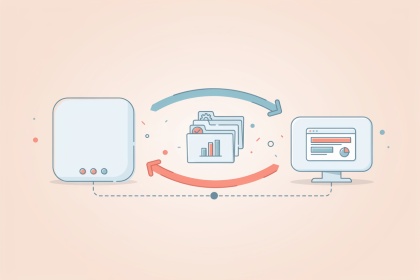
Real-Time Sync is the continuous, near-instant exchange of data between systems, so that a change made in one place appears in the others within moments. Instead of waiting for a scheduled update, each change triggers an immediate transfer, keeping connected systems aligned at all times. It is commonly used where up-to-date information matters most, such as inventory levels, prices, and order status across ecommerce and marketplace channels.
How does real-time sync relate to PIM or MDM?
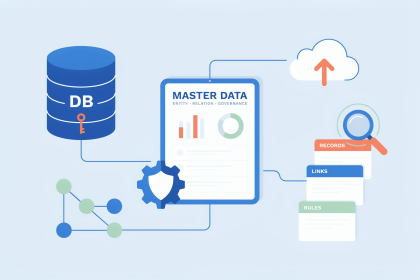
In a PIM or MDM context, real-time sync is one way product and master data changes are propagated to the systems and channels that consume them. When a price or stock level updates in the source system, real-time sync ensures every connected store, marketplace, and application reflects it almost immediately, reducing the risk of overselling or displaying outdated information. It depends on clean, well-governed source data, since any change, whether correct or not, is pushed out instantly to everywhere it is used.
What is the difference between real-time sync and batch processing?
The difference is one of timing: real-time sync transfers each change as it happens, keeping systems continuously aligned, while batch processing collects changes and moves them together at scheduled intervals. Real-time sync suits fast-moving data like inventory and pricing, where delay causes problems, whereas batch processing suits large volumes of data that do not need to be instant, such as overnight catalogue updates. Many organisations use both, choosing the approach that fits each type of data.