Integration Layer Definition
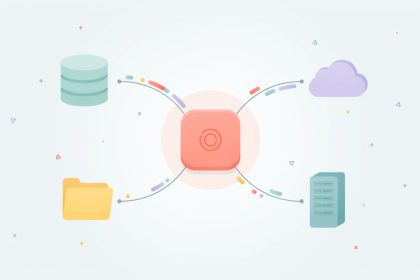
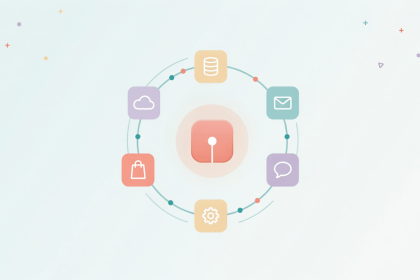
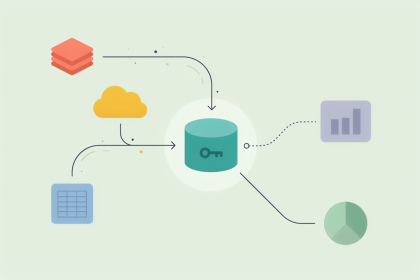
An integration layer is the part of a software architecture that sits between separate systems and manages how they connect and exchange data. Rather than wiring each system directly to every other one, the systems connect to this shared layer, which handles the routing, mapping, and translation needed for them to work together. In a typical setup, a PIM, an ERP, and an online store all connect through the integration layer, so product data, pricing, and orders can move between them through a single, managed tier instead of a tangle of one-off links.
Why is an integration layer needed?
When every system is connected directly to every other, the number of connections grows quickly and becomes hard to maintain, since a change to one system can break several links at once. An integration layer solves this by acting as a central point that all systems connect to. This makes each connection easier to build, monitor, and change, and means a new system can be added by connecting it to the layer once rather than to every existing system separately. The result is an architecture that is simpler to maintain and quicker to extend as the business grows.
What does an integration layer do?
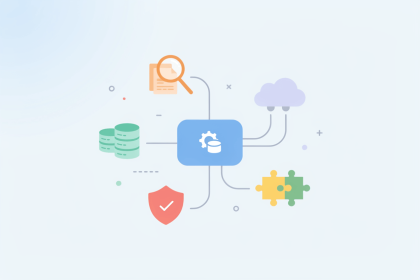
An integration layer usually takes on the work that would otherwise have to be repeated in every point-to-point connection:
- Routing: directing data from the system that produces it to the systems that need it
- Data mapping: matching fields in one system to the equivalent fields in another
- Format translation: converting data between the structures each system expects
- Authentication: managing secure access to each connected system
- Monitoring and error handling: tracking data flows and catching failures so they can be retried or reported
How does an integration layer relate to middleware and connectors?
These terms describe the same area from different angles. The integration layer is the conceptual tier where cross-system connections live; middleware and iPaaS are the kinds of software used to build that tier; and a connector is a prebuilt component within it that links to one specific system. Put together, connectors plug individual systems into the layer, and the middleware running the layer manages how data moves between them. Whether a business needs a full integration layer or a few direct connectors depends on how many systems it runs and how often they need to share data.