Data Integration Definition
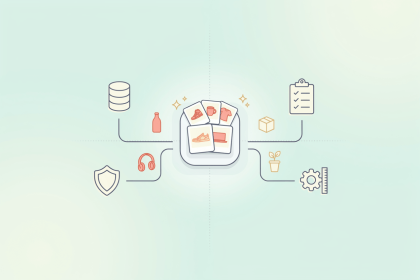
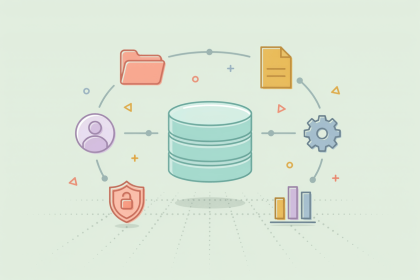
Data Integration is the process of combining data from multiple, disparate sources into a unified, consistent view that can be used across an organization. It brings together information held in separate systems (databases, applications, files, APIs) and reconciles differences in format, structure, and meaning so the data can be queried, analyzed, or acted upon as if it came from a single place.
How does data integration work?
Data integration typically involves extracting data from source systems, transforming it into a common structure, and delivering it to a target such as a data warehouse, data hub, or operational application. The transformation stage aligns fields between systems and standardizes values so they become comparable. These movements are orchestrated through a Data Pipeline, most commonly following one of two patterns: ETL or ELT. Integration can run as scheduled batches or as continuous, real-time synchronization depending on how current the target needs to be.
How is it different from system integration?
System Integration connects applications so they can talk to each other and trigger actions, whereas data integration focuses on unifying the data itself into a coherent, reusable whole. The two often work together: systems are integrated so that data can flow, and that data is then integrated so it can be trusted and analyzed.
Why does it matter?
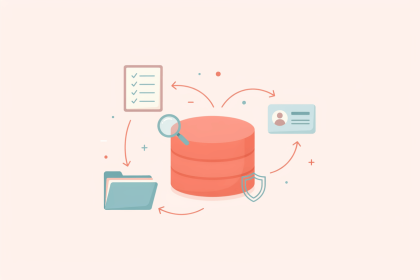
When data stays trapped in separate silos, every system holds only a partial picture, and the same product, supplier, or customer may be described inconsistently across them. Data integration removes that fragmentation, giving teams a complete and reliable basis for reporting, analytics, and day-to-day operations. It is also a prerequisite for disciplines such as master data management, which depend on having all relevant data brought together before it can be matched, consolidated, and governed.