Data Catalog Definition
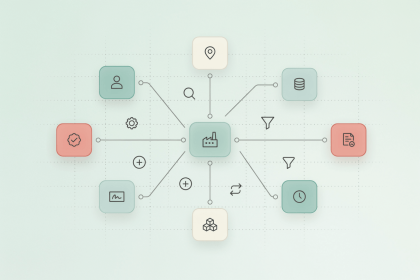
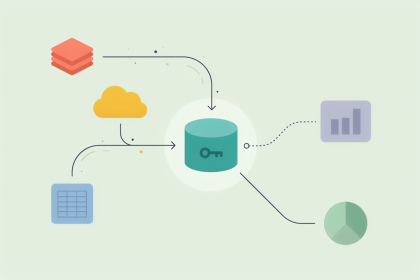
A Data Catalog is an organized, searchable inventory of an organization's data assets. It acts like a library catalog for data: instead of the data itself, it holds descriptive information about what data exists, where it lives, what it means, who owns it, and how it can be used. This gives people a single place to discover and understand the data available to them without having to hunt across systems.
What does a data catalog contain?
A catalog is built largely from Metadata Management: technical details such as table and field names, formats, and source systems, alongside business context like plain-language definitions, ownership, and usage policies. Many catalogs also capture Data Lineage, showing where each dataset originated and how it has been transformed as it moved between systems. Together these let a user find a dataset, understand exactly what it represents, judge whether they can trust it, and see who to ask about it.
Why does it matter?
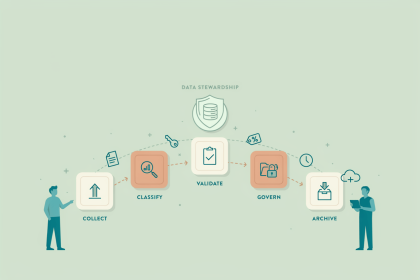
In most organizations data is spread across many systems, and the knowledge of what it means often lives only in people's heads. That makes data hard to find, easy to misinterpret, and risky to reuse. A data catalog turns that scattered, informal knowledge into a shared, maintained resource, helping teams reuse existing data instead of recreating it, apply consistent definitions, and support governance by making ownership and usage rules visible in one place.