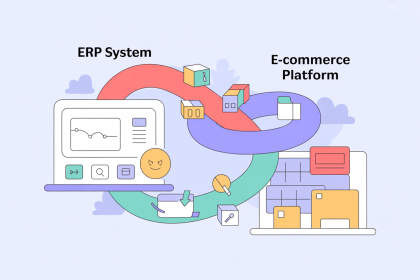
ERP Integration Definition
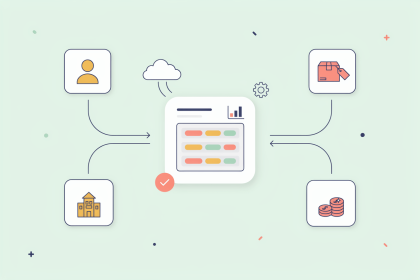
ERP Integration is the process of connecting an Enterprise Resource Planning system, such as SAP, Oracle, or Microsoft Dynamics, with other business applications so that data flows between them automatically. An ERP holds core operational data like inventory levels, pricing, orders, and financials. Integration ensures that this data is shared with the systems that need it, and that changes made in one place are reflected everywhere else, without manual re-entry.
How does ERP integration relate to PIM or MDM?
An ERP and a PIM system hold different but overlapping views of the same products. The ERP owns operational and commercial data such as prices, stock, and logistics, while the PIM owns rich descriptive and marketing content. Integration lets each system contribute what it does best: the ERP supplies authoritative operational figures, and the PIM enriches them with the content needed for selling. An MDM layer often sits between them to reconcile identifiers and prevent conflicting versions of the same record. Done well, ERP integration keeps commercial and product data aligned across the whole organisation.
What is the difference between ERP integration and system integration?
The distinction is one of scope: system integration is the general practice of connecting any two or more applications so they can exchange data, while ERP integration is a specific case where one of those systems is the ERP. Because the ERP is usually the operational backbone of a business, integrating with it tends to be higher-stakes and more complex than a typical connection, involving critical data like finance and inventory that many other systems depend on.