Digital Assets Definition
Digital assets are files in digital form that hold value for an organization: product images, videos, PDFs, technical drawings, logos, brand guidelines, certificates, and 3D models. In a business context, a digital asset is more than the file itself. It includes the metadata that describes it, such as usage rights, versions, formats, and the products or campaigns it belongs to.
How are digital assets managed?
At small scale, shared folders work. As volume grows, organizations use Digital Asset Management (DAM) software, a centralized library for storing, organizing, searching, versioning, and distributing assets. Modern DAM systems can automatically convert one high-resolution master image into the sizes and formats each output channel requires.
Why do digital assets matter for product data?
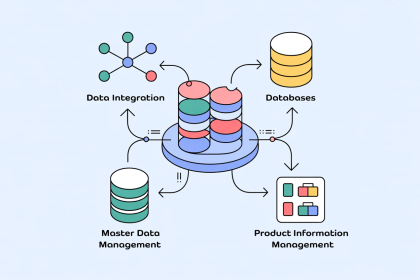
Assets rarely stand alone. An image belongs to a product, and channels like Amazon or Google Shopping have strict requirements for image dimensions, formats, and counts. When assets are managed separately from product records, updates fall out of sync: a product changes but its datasheet or photo doesn't. This is why many PIM and MDM platforms combine product data and DAM capabilities in one system, linking every asset directly to the record it describes.
What metadata should an asset carry?
At minimum: a descriptive name, file format and resolution, version, usage rights or license expiry, and links to the entities (products, brands, channels) it belongs to. Well-maintained metadata is what makes assets findable and prevents duplicated work.