Data Onboarding Definition
Data Onboarding is the process of bringing new data into a system in a controlled way, so that it arrives clean, correctly structured, and ready to use. It covers everything from receiving the incoming data to checking, correcting, and formatting it before it is accepted, most commonly when adding a new supplier's product information, a new data source, or a batch of new records to an existing system.
How does data onboarding work?
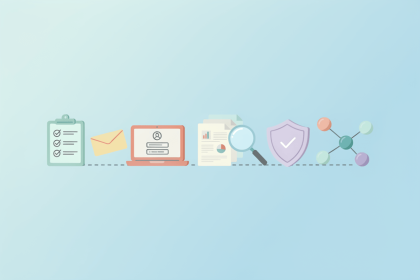
Onboarding usually begins by collecting data from a provider in whatever format they supply, such as a spreadsheet, a feed, or an export from another system. That raw data is then mapped so its fields align with the target system's structure, and validated against defined rules to catch missing values, wrong formats, or entries that fall outside allowed ranges. Records that fail are flagged for correction, often in collaboration with the provider, while those that pass are standardized and loaded. For recurring sources, this sequence is set up once and then repeated automatically each time new data arrives.
Why does it matter?
Data is only as useful as it is trustworthy, and the moment it enters a system is the cheapest point at which to catch problems. Letting unchecked data in means errors spread downstream into reports, catalogs, and decisions, where they are far harder to trace and fix. A disciplined onboarding process keeps bad data out from the start, shortens the time it takes to make a new supplier or source productive, and protects the quality of everything built on top of that data.