Customer Master Data Definition
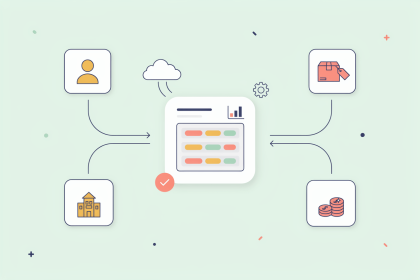
Customer Master Data is the authoritative, centralised record of a customer's core identity information (name, contact details, billing and shipping addresses, account identifiers, and relationship attributes) shared across all systems in an organisation.
What does customer master data include?
The record typically covers identifying information (legal name, tax ID, account number), contact data (email, phone, address), segmentation attributes (industry, region, account tier), and relationship data (assigned sales rep, payment terms, preferred currency). The exact fields vary by business model: a B2B company carries more contract and hierarchy data than a B2C retailer.
Why does it need to be managed centrally?
Without a single authoritative source, customer records fragment across systems: one version in the CRM, another in the ERP, a third in the billing platform. This leads to duplicate accounts, invoices sent to the wrong address, and conflicting views of customer history. A Master Data Management (MDM) approach designates one system of record and synchronises all others from it.
How does it differ from transactional customer data?
Master data describes who the customer is. It is stable attributes that change rarely. Transactional data describes what the customer did: orders, payments, support tickets, browsing sessions. Both are linked by the customer identifier in the master record, but they are stored and managed separately.