Taxonomy Definition
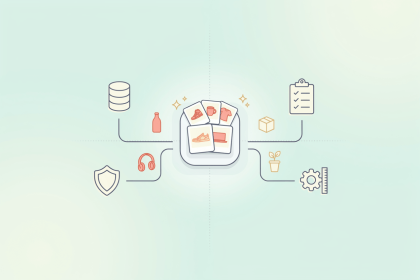
A Taxonomy is a structured way of organizing items into categories and subcategories based on shared characteristics. In the context of product data, it is the classification system that groups products into a logical hierarchy, such as Clothing > Men's > Footwear > Running Shoes, so that each product has a clear place within a larger structure. This gives both people and systems a consistent way to find, filter, and make sense of a large catalog.
How is a taxonomy different from a category tree?
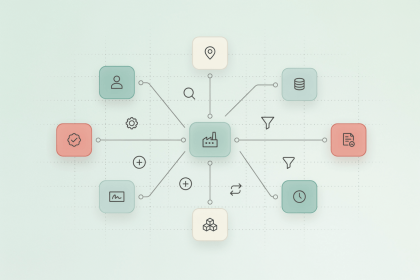
In everyday use the terms overlap, but a taxonomy is the broader idea. A category tree is one common form a taxonomy takes: a branching hierarchy that moves from broad groupings down to more specific ones. A taxonomy can also describe the rules behind that structure, such as what defines each category, where a product belongs, and how the levels relate to one another. A single product catalog often uses more than one taxonomy at the same time, for example one for internal organization and separate ones required by individual marketplaces.
How does a taxonomy relate to attributes?
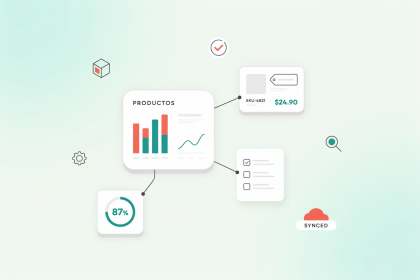
A taxonomy answers "what kind of thing is this," while attributes describe the specific properties of the thing itself, such as color, size, or material. The two work together closely. The category a product sits in usually determines which attributes are relevant to it: running shoes need a size and a sole type, while a book needs an author and a page count. A well-built taxonomy therefore makes product data easier to manage, because it defines which details each type of product is expected to have.
Why does it matter?
Without a consistent taxonomy, a catalog becomes hard to navigate and harder to maintain as it grows. Shoppers rely on categories to browse and filter their way to the right product, and search and recommendation systems rely on the same structure to return relevant results. Internally, a clear taxonomy keeps data consistent, prevents the same product from being classified in conflicting ways, and makes it easier to publish accurate listings across multiple channels, each of which may expect products to be organized in its own particular way.