Batch Processing Definition
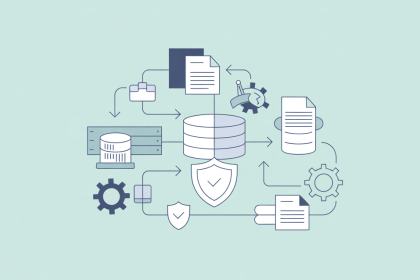
Batch Processing is the handling of data in grouped sets at scheduled intervals, rather than one change at a time as it happens. Changes are collected over a period, for example an hour or a day, and then transferred or processed together in a single run. It is a long-established and efficient way to move large volumes of data, commonly used for tasks like overnight catalogue updates, bulk imports, and regular exports where immediate delivery is not required.
How does batch processing relate to PIM or MDM?
In a PIM or MDM context, batch processing is often used to move large quantities of product or master data between systems on a set schedule. Importing a supplier's full catalogue, exporting product data to a channel, or running periodic data quality checks are all typically handled in batches. It is well suited to high-volume work that can tolerate some delay, and it places less continuous load on connected systems than constant updates, though the trade-off is that data is only as current as the last completed run.
What is the difference between batch processing and real-time sync?
The difference is one of timing: batch processing groups changes and moves them together at scheduled intervals, while real-time sync transfers each change the moment it occurs. Batch processing is efficient for large volumes that do not need to be instant, whereas real-time sync suits fast-moving data like inventory and pricing, where any delay causes problems. The two are complementary, and organisations commonly use batch processing for bulk, non-urgent data and real-time sync for time-sensitive updates.