Supplier Master Data Definition
Supplier master data is the set of core records that describe every supplier a business works with: legal name and registered address, contact details, payment terms, bank account information, tax identifiers, and any certifications or compliance documents required to do business with them. It is the reference point that procurement, finance, and logistics teams all rely on when placing orders, processing invoices, or assessing supply chain risk.
What goes into a supplier record?
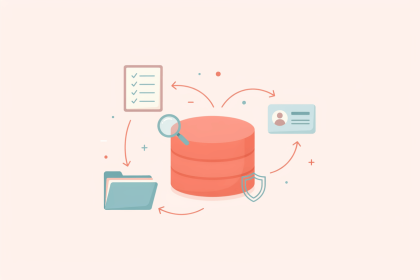
A supplier record typically covers a few distinct areas. Identification details establish who the supplier is legally: registered company name, country of incorporation, tax number. Commercial details capture how the relationship works: payment terms, preferred currency, lead times, contracted prices. Compliance information records whether the supplier meets required standards, whether that is an ISO certification, a modern slavery declaration, or an approved vendor status within the organisation's own procurement policy.
In larger organisations, a single supplier might have multiple records attached to it: one for each subsidiary, region, or category of goods they supply.
Why does it matter?
Supplier master data sits behind a surprising number of operational processes. When a purchase order is raised, it draws on supplier data to route to the right contact and apply the right terms. When an invoice arrives, finance matches it against those same records. When something goes wrong in the supply chain, procurement needs accurate data to assess alternatives quickly.
Bad supplier data tends to surface as operational friction: duplicate vendors on the same invoice, payments sent to outdated bank details, compliance checks run against records that have not been updated in years.
How does it relate to MDM?
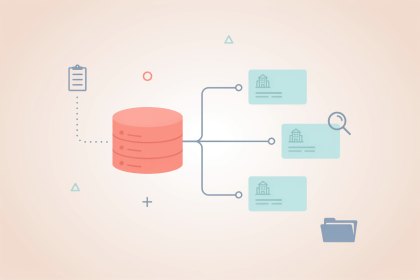
Managing supplier records is one of the most common use cases for Master Data Management (MDM). Supplier data typically lives across several systemsz: an ERP for finance and procurement, a sourcing platform, a risk or compliance tool, and each can develop its own version of the same record over time. MDM establishes a single authoritative supplier record and keeps it consistent across those systems, so that every team is working from the same information.