Reference Data Management Definition
Reference Data Management (RDM) is the discipline of defining, maintaining, and distributing the controlled lists and lookup values, reference data, that other systems and processes depend on. This includes deciding what the valid values are, who can change them, how changes are communicated to downstream systems, and how conflicts between different versions are resolved.
How is RDM different from MDM?
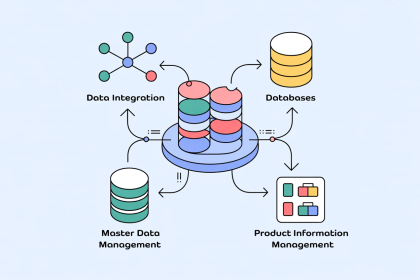
Master Data Management (MDM) manages core business entities: products, suppliers, customers. RDM manages the supporting vocabulary those entities use. In practice, RDM is often treated as a component within a broader MDM programme rather than a separate discipline, but in larger organisations with many integrated systems it warrants dedicated ownership.
What happens without it?
Without managed reference data, the same concept accumulates multiple representations across systems over time. One system stores "Active", another stores "active", a third stores "1". Merging or reporting across those systems requires constant reconciliation. RDM prevents this drift by establishing a single authoritative source for valid values and ensuring all systems stay aligned with it.