Data Ownership Definition
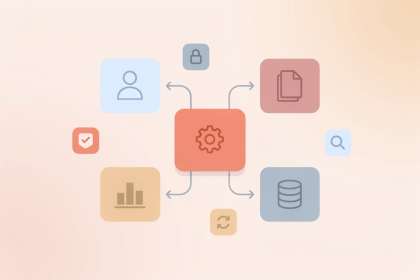
Data Ownership is the assignment of clear accountability for a data asset to a specific person, role, or team within an organisation. A data owner is responsible for defining who may access and modify that asset, ensuring its accuracy over time, and making decisions about its lifecycle — from creation through to retirement.
Why does it matter?
Without defined ownership, data quality erodes silently. No one corrects wrong values, conflicting updates go unresolved, and compliance obligations are missed because accountability is diffuse. In any Master Data Management programme, assigning ownership is one of the first governance steps, because every downstream process — data quality monitoring, data stewardship, and golden record maintenance — depends on knowing who has the final say.
How is ownership structured?
Ownership is typically layered. A data domain owner sets policy for an entire category of master data (for example, all product records), while data stewards handle day-to-day quality tasks within that domain. This separation keeps strategic decisions with business stakeholders and operational tasks with those closest to the data.