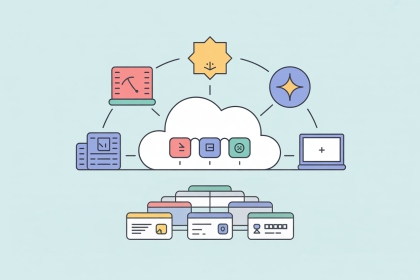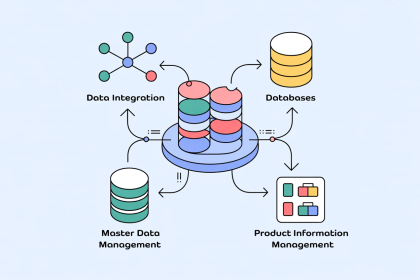
A PIM system is a centralized platform that allows businesses to collect, manage, enrich, and distribute product information across multiple sales and marketing channels from a single place. Think of it as a single source of truth for all your product data.
What Kind of Data Does PIM Manage?
- Basic info — product names, SKUs, descriptions, dimensions, weight
- Digital assets — images, videos, documents, manuals
- Technical specs — materials, certifications, compatibility
- Marketing content — SEO descriptions, taglines, campaign copy
- Pricing & availability — pricing tiers, stock status
- Localization — translated content for different regions/languages
Why Do Businesses Need PIM?
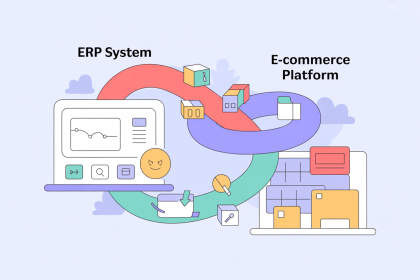
Without a PIM, product data is often scattered across spreadsheets, ERP systems, emails, and shared drives — leading to:
- Inconsistent product info across channels
- Slow time-to-market for new products
- Errors in catalogs or on websites
- Poor customer experience
How PIM Works (Simple Flow)
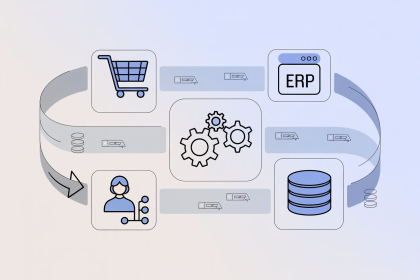
Collect raw data from suppliers/ERP → Enrich & standardize in PIM → Distribute to channels (website, Amazon, print, etc.)
Who Uses PIM?
- Retailers & e-commerce businesses with large product catalogs
- Manufacturers managing complex technical product data
- Distributors handling products from multiple suppliers
- Brands selling across multiple regions or languages